Insights for calmer caregiving

Articles

Short reads for families building better routines, safer check-ins, and more confident coordination.

Latest articles

Each entry below is rendered from locale-specific Markdown and ordered by the newest publication date first.

5

Three ways to make morning check-ins feel lighter
Illustration of a caregiver morning check-in

A calm check-in works best when everyone knows what to share and when to share it.

  • Confirm one practical detail.
  • Share one health or mood signal.
  • Close with the next planned touchpoint.

This keeps the update useful without making the wearer feel watched.
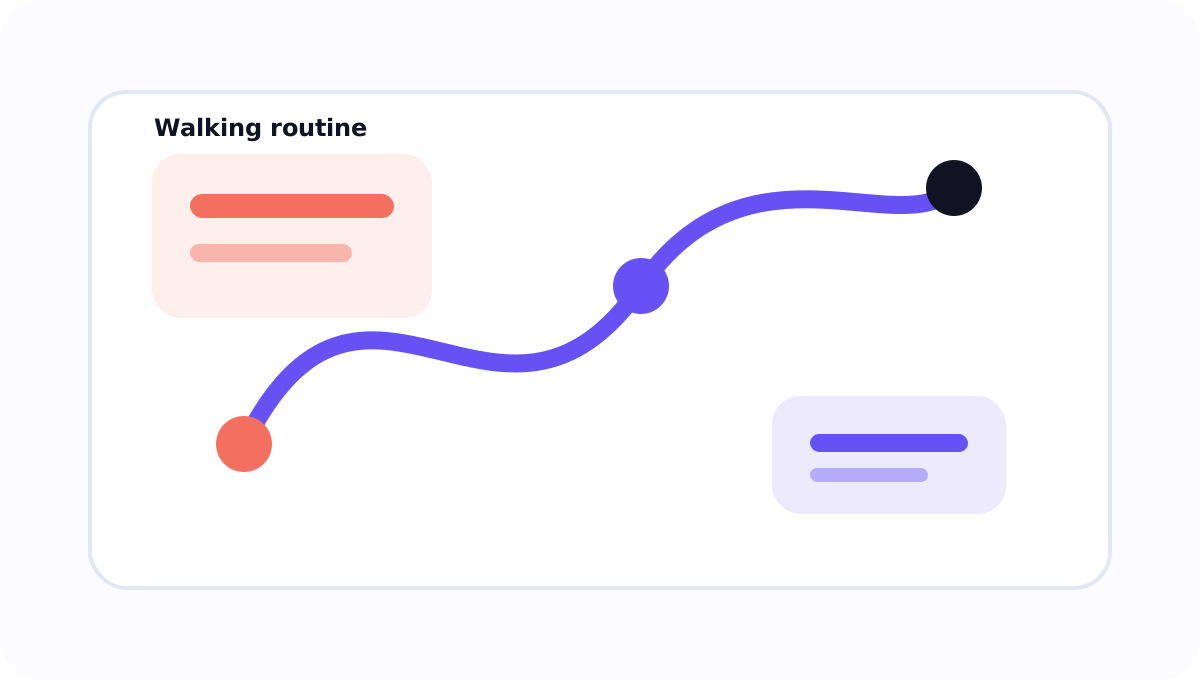
A walking routine the whole family can follow

Illustration of a walking routine map

A simple routine beats a perfect one. Pick two predictable walking windows each week and agree on how updates should be sent.

  1. Choose a start time that already fits the day.
  2. Define who receives the arrival update.
  3. Note what counts as a missed check-in.

Consistency lowers stress for everyone.

What to include in a weekly family update

Illustration of a shared family update board

A good family update is short enough to read quickly and specific enough to guide action.

  • What went well this week
  • What changed in routine or energy
  • What needs follow-up next week

When the format stays the same, relatives can support faster.

Battery habits that prevent last-minute stress

Illustration of a charging routine card

Most charging problems are routine problems. Link charging to an existing habit like breakfast or evening tea.

A reliable charging rhythm is often more effective than more reminders.

Small habits create dependable safety coverage.

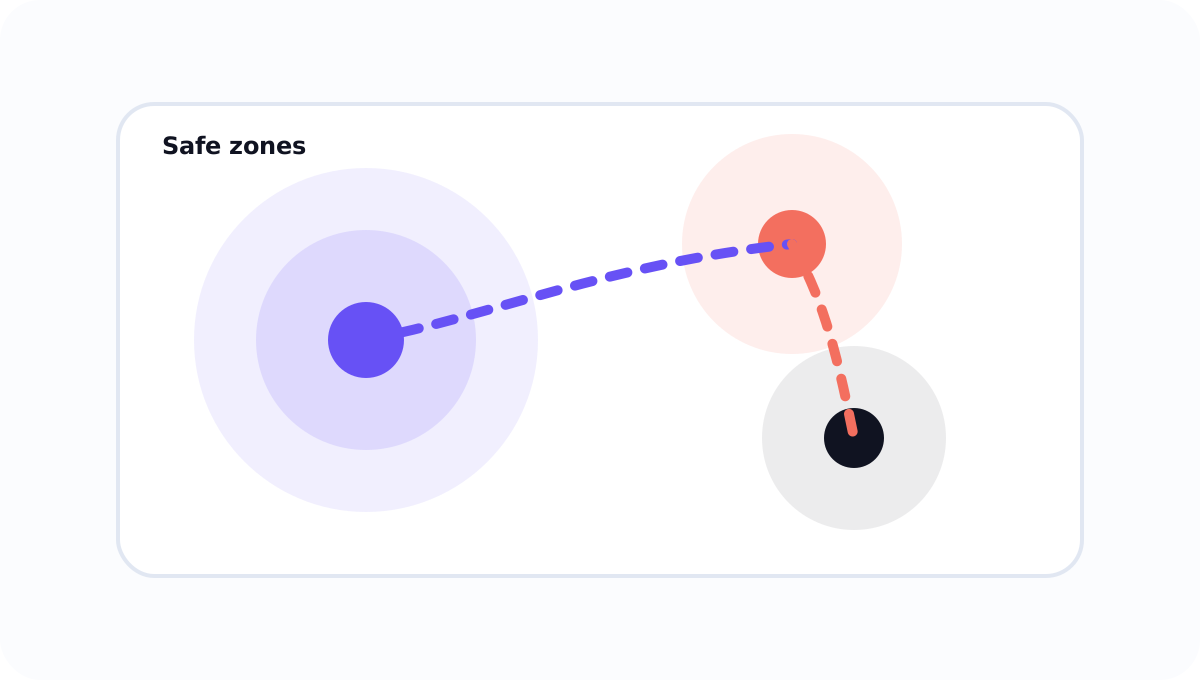
Creating safe zones without reducing independence

Illustration of supportive home and neighborhood zones

Zones should support confidence, not shrink it. Start with the places the wearer already visits comfortably.

  • Home
  • A favorite cafe
  • A nearby walking route

Review the zones together after the first week and adjust them with consent.